Post Show Evaluations: Trade Show RFP Planning.
The show floor is cleared, the crates are back in transit, and the final leads are sitting in someone’s inbox. This is the moment when many exhibit programs either get sharper or repeat the same expensive mistakes next year.
Post-show planning is more than a recap meeting. It is the official start of your next event cycle. For exhibit directors and marketing managers, the weeks immediately following a major trade show are the single best time to review what worked, decide what needs to change, and prepare for either targeted design updates or a new RFP.
Wait too long, and critical details fade. Move too fast, and your team risks chasing subjective opinions instead of fixing root problems.
The goal is to turn real feedback into strategy while the experience is still fresh.
Start with a Clear Post-Show Review Before Changing the Exhibit
The first step after a major show isn't a redesign. It is a candid review. A thorough post-show audit separates personal opinions from actionable feedback.
The exhibit may have looked crowded, but did it actually support your conversion goals?
The activations may have drawn traffic, but did they foster meaningful sales conversations?
Were the storage areas functional or a daily headache for your staff?
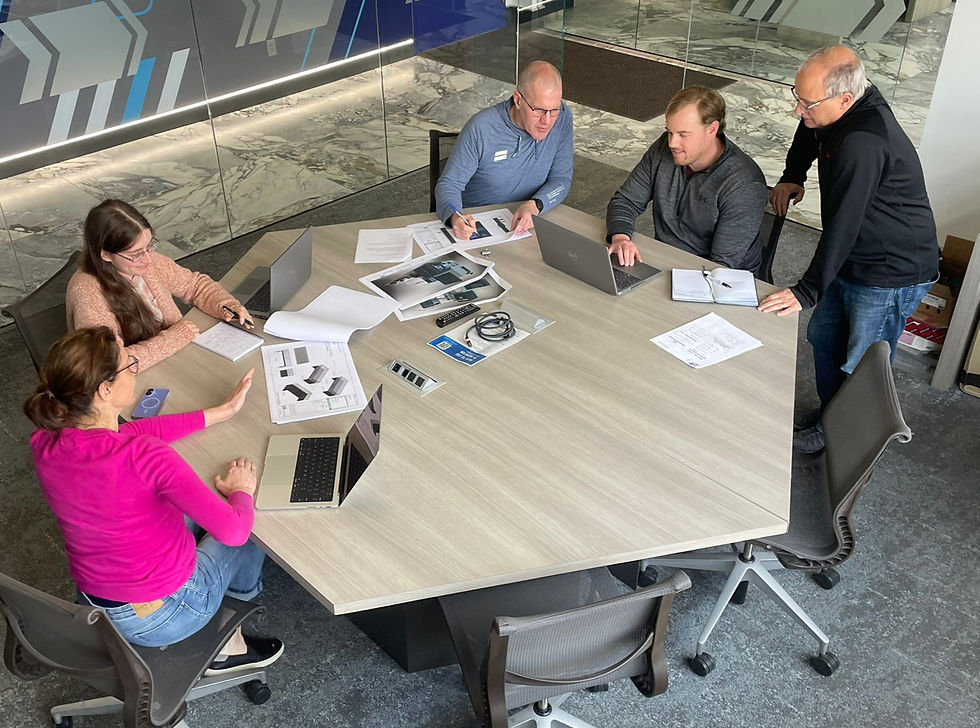
A practical review evaluates five key areas:
1. Visitor Flow
Traffic & Engagement: Assess how attendees entered, navigated, and exited the space. Take note of where they paused to engage with sales reps or product demos.
Dead Zones & Bottlenecks: Identify areas that naturally attracted traffic versus underutilized zones. Look at whether traffic slowed down on purpose or accidentally blocked key features like demo stations, reception counters, or interactive screens.
2. Return on Investment
To measure success accurately, evaluate post-show results against the specific goals set before the event:
Lead Quality: Determine whether collected leads came from actual decision-makers and target accounts rather than general badge-scans.
Conversion Rates: Track how many leads converted into qualified sales opportunities or scheduled follow-up meetings.
Engagement Metrics: Evaluate how effectively interactive elements, presentations, or product displays held attendee attention.
Focusing on substantive metrics over simple badge-scan counts shows which design elements drove real business value, and which ones just brought casual foot traffic.
3. Staff Experience
Exhibit staff encounter operational issues that rarely show up in design renderings or show photos. Because frontline employees interact directly with attendees, their feedback is essential for fixing booth flow:
Sightlines & Congestion: Evaluate line-of-sight visibility into the booth and identify areas that felt cramped or underutilized.
Demo Usability: Assess whether product presentation areas allowed staff to talk with prospects comfortably without creating issues with traffic flow.
Meeting Privacy: Determine if meeting rooms provided enough privacy and comfort for serious business discussions.
4. Operational Performance
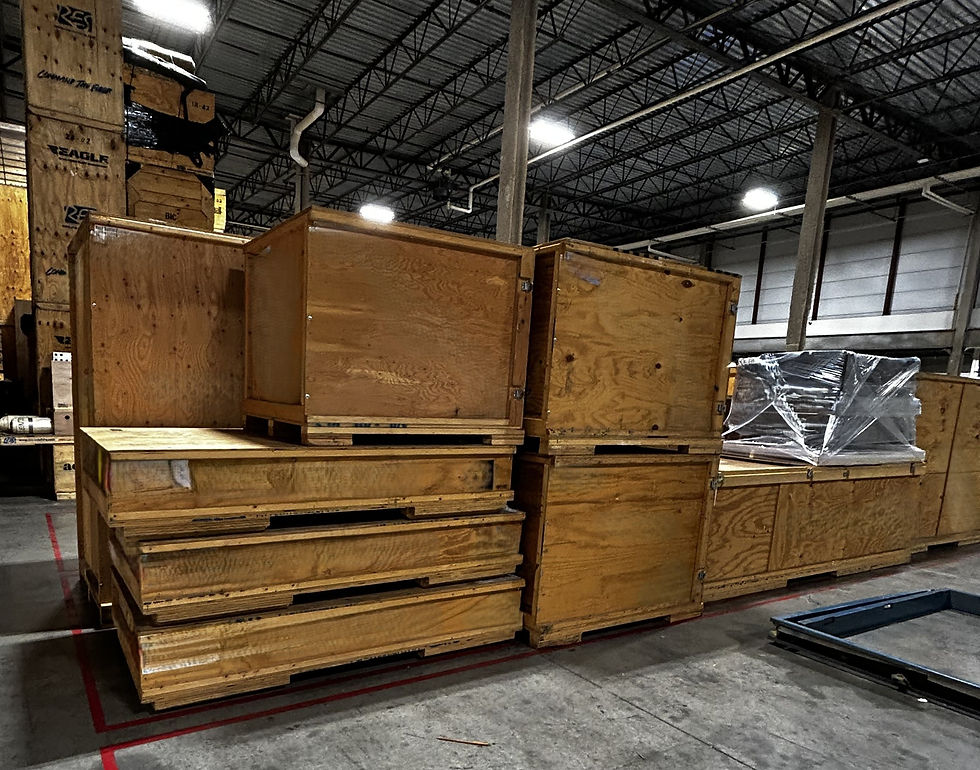
Operational efficiency keeps your show costs predictable. Take time to evaluate installation, dismantle, freight logistics, material handling, show services, and repair needs:
What came back damaged? Document minor wear, structural damage, or missing components right away so repairs happen well before the next event.
What is obsolete? Identify outdated messaging, retired product graphics, or unused display hardware that can be recycled to reduce your storage footprint.
What drives excess labor or freight? Evaluate whether heavy structural elements or complex assembly steps justify their freight and rigging costs.
5. Brand and Message Fit
Your exhibit needs to reflect where your company is headed, not where it has been. If product roadmap, branding, or messaging has shifted, the physical environment needs to evolve with them.
Conducting this review right after the show lets your team capture accurate metrics, gather honest staff feedback, and set clear directives for the next generation of exhibits.
Decide the Next Step: Refresh, Rework, or RFP?
Not every post-show finding requires a blank-sheet redesign. Some issues are easily solved with targeted updates. Others point to fundamental flaws in the exhibit architecture or vendor relationship.
Group your program needs into three clear categories to determine the right path forward:
1. Refresh
Scope: Update graphics, surface finishes, lighting fixtures, furniture, or small functional areas.
Best when: The underlying structure and floor plan still support your goals.
2. Rework
Scope: Reconfigure functional zones, adjust traffic flow, add storage, modify demo stations, or replace key structural components.
Best when: The structural frame is solid but recurring operational or engagement issues hinder performance.

3. RFP or New Build
Scope: Re-evaluate the entire program, financial model, design strategy, or multi-show modular planning.
Best when: The program needs to scale or is moving to a new footprint, market positioning has fundamentally shifted, or your existing vendor contract is up.
A refresh is often the most cost-effective choice when the basic footprint works well. New tension-fabric graphics, updated product fixtures, or upgraded LED lighting can make a familiar space feel brand new.
A rework makes sense when the core structure remains valuable, but functional friction exists. Examples include moving a reception desk to clear an entry bottleneck, adding more AV displays, or re-orienting a meeting room for better privacy.
An RFP becomes necessary when broader program questions arise, including:
An expiring vendor contract
Recurring service, budgeting, or communication issues with your current partner
Unexplained increases in show-site labor and freight charges
Transitioning from a single flagship show to a multi-event calendar requiring modular scaling
Concerns regarding build quality, storage management, or long-term structural durability
Avoid using an RFP as a substitute for internal clarity. The more precisely your team defines its challenges, the better the vendor proposals will be.
Build your trade show RFP planning around decisions, not just deliverables
Many exhibit RFPs focus strictly on tactical line items like design, fabrication, storage, shipping, and labor. While essential, these details rarely reveal whether a partner can strategically manage your program over the long haul.
Well-structured trade show RFP planning drives clear decision-making. Start by providing business context. Explain what the flagship event means to your organization, how the space supports sales pipelines, and what key lessons you learned from the previous show cycle.
Then, outline the practical details that shape execution:
Target show names, venues, and dates
Footprint dimensions and booth configurations (such as island or peninsular)
Existing exhibit inventory and current storage location
Known operational bottlenecks from previous builds
Required functional areas (such as meeting spaces, demo stations, or hospitality)
Annual event schedule beyond the primary flagship show
Target budget range and procurement timelines
The Importance of Budget Guidance
Teams sometimes hesitate to disclose budget ranges for fear of inflating proposals. However, exhibit architecture relies heavily on cost-dependent choices. Materials, structural engineering, integrated technology, freight volume, and setup labor all scale directly with budget.
Providing a realistic budget range allows partners to engineer practical, high-impact solutions. It also prevents your team from wasting time reviewing concepts that cannot be realistically built.
Finally, evaluate how prospective partners manage process. Require details on communication protocols, change management, shop pre-staging, and show-site support.
Great design gets attention, but process quality determines whether show execution feels controlled or chaotic.
Distinguish your requirements clearly:
Must-haves: Non-negotiable structural and functional requirements.
Preferences: Enhanced design features to incorporate if budget, strategy, and timeline allow.
Streamlining the Next Cycle with RES
Managing post-show findings while planning upcoming event calendars can feel scattered. The goal is never to force a costly rebuild when a targeted refresh is the right call. It is to translate feedback into practical, cost-effective execution.
The RES integrated, in-house service model, keeps every phase of the exhibit lifecycle connected under one roof. Design, structural engineering, custom fabrication, graphics, logistics, and show-site supervision work directly together rather than passing critical details across separate third-party vendors.
This connected approach is critical post-show when decisions overlap:
A fixture change can alter crate packing layouts.
A new interactive demo station can change power and cable routing.
Switching to lighter architectural materials can reduce freight costs while maintaining structural durability.
When design teams, fabricators, and logistics managers review these decisions together in a single facility, cost estimates reflect true production realities, inventory is verified in real time, and risk is eliminated long before crates arrive on the show floor.
Prepare for the Next Show Before the Pressure Builds
The weeks following an event offer the clearest view of your exhibit program’s strengths and weaknesses. Evaluate the real experience, determine whether your path forward requires a refresh, a rework, or an RFP, and set a schedule that gives your team room to execute efficiently.
A successful planning cycle does not have to be complex. It simply requires clear data, direct accountability, and a process that connects creative design directly with practical manufacturing.
If your next step is still unclear, RES can help review your current program and map out the right path forward.
Reach out to our team to discuss your post-show findings, upcoming RFP needs, or design updates for your next event.

